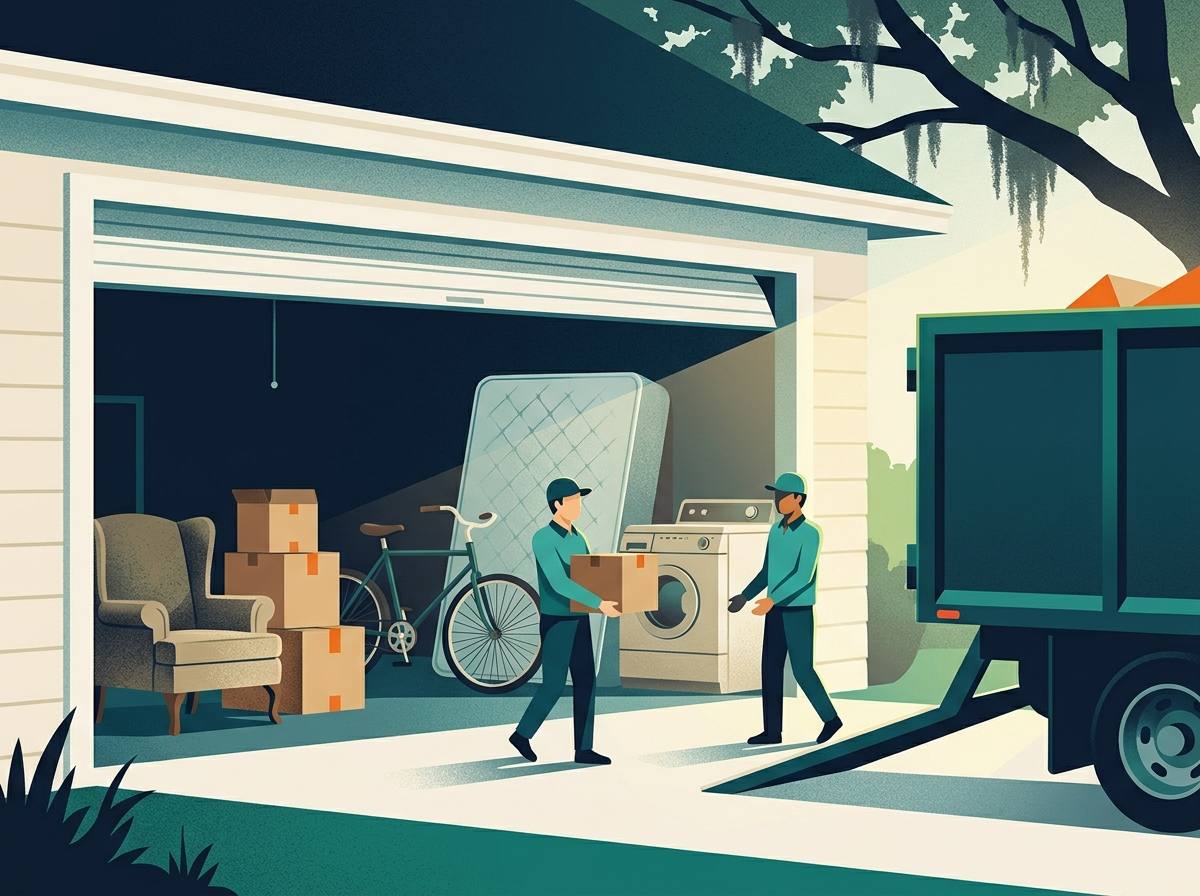
Before anything leaves: who decides, and when
The first step is not physical. Confirm who has authority to make decisions about the property — usually the executor or personal representative named in a will, or the heirs together. If the estate is going through probate, talk with the estate's attorney before removing, selling, or giving away anything of value.
Then look at timing. A rented home or apartment may have a lease or move-out deadline. A house going up for sale may need to be cleared before photos or showings. Agreeing on a realistic schedule early takes pressure off everyone, especially family members traveling in from out of town.
Documents and items to find before clearing the home
Go through the home deliberately before any hauling begins. These are the papers and items families most often need later:
- Wills, trust documents, and any letters of instruction
- Deeds, mortgage papers, and vehicle titles
- Life insurance policies and annuity statements
- Bank, brokerage, and retirement account statements
- Recent tax returns and property tax records
- Current bills, which show what accounts need to be closed or transferred
- Social Security, Medicare, and health insurance cards
- Military discharge papers
- Safe deposit box keys and any lists of passwords or accounts
- Jewelry, cash, coins, and family photographs and letters
Where things tend to hide
Important items are not always in a desk. Check coat and jacket pockets, purses, books, envelopes taped under or behind drawers, freezer containers, closet shelves, between mattresses, and inside old shoe boxes. Keep collecting mail for a few weeks, too — statements that arrive after a death often point to accounts the family did not know about.
The decisions families make
Most belongings fall into one of five groups: keep, divide among family, sell, donate, or dispose of. A simple system keeps things moving — colored stickers or painter's tape for each person, and photos of larger pieces for relatives who cannot be there in person.
Selling can mean an estate sale, consignment, or online listings, and it takes time. Donation centers have their own rules about what they accept, so call ahead about upholstered furniture, mattresses, and electronics. Whatever remains after those decisions is what a cleanout crew removes.
Items that need separate handling
A few categories should be pulled aside rather than mixed in with general household items:
- Computers, phones, and tablets: back up anything the family wants, then erase the devices or remove the drives. The FTC warns that deleting files is not enough to remove personal information. Our guide to preparing a computer for recycling walks through the steps.
- Paint, chemicals, and fuel: City of Mobile residents can take many of these to the City's Household Hazardous Waste (opens in a new tab) collection events.
- Prescription medications and medical supplies: these are not accepted at the City's HHW events and cannot go in a junk load. Ask a pharmacist about disposal options.
- Firearms and ammunition: set them aside and handle them separately and legally; they are never part of a cleanout load.
- Refrigerators, freezers, and window air conditioners: these contain refrigerant and need to be confirmed before pickup.
- Paper records: shred anything with account numbers or Social Security numbers. Zoiris does not provide document shredding.
What happens on cleanout day
Once the family has removed what it is keeping, the hauling part is straightforward. With our estate cleanout service, it usually goes like this:
- You describe the home, the rooms involved, and anything heavy or unusual, and send photos if you can.
- We confirm an estimate and a pickup window with you before anything is scheduled.
- On the day, we walk through with you or your representative to confirm what stays and what goes.
- Our crew does the lifting and carrying, room by room, including furniture, boxes, appliances, and electronics.
- Where practical options exist, usable and recyclable items are separated from items going to disposal.
- Larger homes may take more than one visit; we will tell you upfront if that is likely.
Give yourself time
Clearing a loved one's home is emotional work, and it rarely goes as fast as people expect. It is fine to do it in stages — documents first, then family items, then everything else. Taking a break after the search for papers, before the hauling starts, gives everyone a chance to remember something they meant to look for.
If the home also has a full garage or a backlog of furniture, our garage cleanout checklist and house cleanout page may help you plan the rest.
Common questions
How long does an estate cleanout take?
It depends mostly on the family's sorting time, not the hauling. Searching for documents and dividing belongings can take days or weeks. The removal itself is often done in one visit for a typical home, though larger or very full homes may need more than one.
What documents should we look for before clearing a parent's house?
Wills and trust papers, deeds and vehicle titles, insurance policies, bank and retirement statements, recent tax returns, current bills, Social Security and Medicare cards, military discharge papers, and safe deposit box keys. Check pockets, books, drawers, and freezers as well as desks.
Does someone from the family need to be there on cleanout day?
It helps to have someone on site, at least at the start, to confirm what stays and what goes. If that is not possible, tell us when you book so we can talk through how to confirm the details beforehand.
Will you take everything in the house?
We take most household contents, including furniture, boxes, clothing, appliances, and electronics. Hazardous materials, medications, propane, and a few other items are excluded — see our restricted items page — and refrigerators are confirmed before scheduling.
Sources
Checked on November 4, 2026. Rules and programs change — confirm with the source before you go.